

Cultivating Healthy Habits: Stress Management
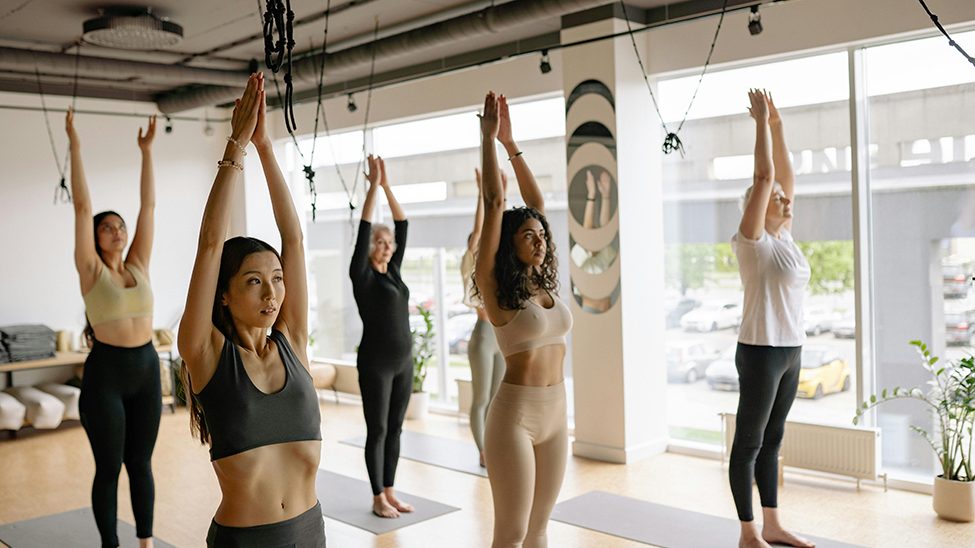
Understanding stress is fundamental to managing it effectively. Common sources of stress include work pressures, relationship challenges, and financial concerns. Recognising these stressors is the first step towards mitigating their impact. Stress affects both the body and mind, leading to issues such as headaches, fatigue, anxiety, and depression. To reduce stress, engaging in physical activities like walking, swimming, or dancing can serve as natural mood boosters. Incorporating relaxation techniques such as progressive muscle relaxation, visualisation, and aromatherapy can also help alleviate stress. Maintaining healthy lifestyle habits, including adequate sleep, balanced nutrition, and strong social connections, further supports stress management. Creating a stress-relief plan involves identifying your specific stressors and developing personalised coping strategies, such as journaling, talking to a friend, or pursuing hobbies. Setting boundaries by learning to say no and prioritising your well-being is crucial in managing stress effectively. By understanding stress and implementing these techniques, you can improve your overall mental and physical health.
Walk
In the
Park
—Control Stress

“Control stress before it controls you—focus on what you can change, let go of what you can’t, and find strength in every breath.”
Control Stress
Understanding Stress
- Sources of Stress: Stress commonly stems from work pressures, relationship challenges, and financial worries. Recognising these stressors is the first step toward addressing them effectively.
- Effects of Stress: Stress impacts both the body and mind, leading to symptoms like headaches, fatigue, anxiety, and depression. Chronic stress can worsen health issues and decrease overall well-being by triggering the body’s fight-or-flight response, which, when activated repeatedly, can lead to serious health problems such as heart disease and high blood pressure.
Stress Reduction Techniques
- Physical Activity: Engaging in regular physical activity, such as walking, swimming, or dancing, acts as a natural stress reliever. Exercise increases the production of endorphins, the body’s natural mood elevators, which help reduce stress and improve overall mood and energy levels.
- Relaxation Techniques: Incorporating relaxation techniques like progressive muscle relaxation, visualization, and aromatherapy into your daily routine can significantly reduce stress. These methods help calm the mind and body, allowing you to manage stress more effectively by promoting relaxation and reducing tension.
- Healthy Lifestyle Habits: Maintaining healthy habits such as getting adequate sleep, eating a balanced diet, and fostering strong social connections supports stress management. These habits contribute to overall physical and mental health, making it easier to cope with stressors and build resilience.
Stress Management
- Identify Stressors: Understanding what causes stress in your life is crucial. Keeping a stress diary can help you identify patterns and triggers, making it easier to develop strategies to manage these stressors effectively.
- Develop Coping Strategies: Personalised coping strategies, such as journaling, talking to a friend, or engaging in a hobby, can provide relief and perspective. These activities offer an outlet for expressing emotions and help distract from stress.
- Set Boundaries: Learning to say no and prioritise your well-being is essential for managing stress. Setting boundaries helps prevent you from taking on too much and ensures that you have time for self-care and relaxation.

